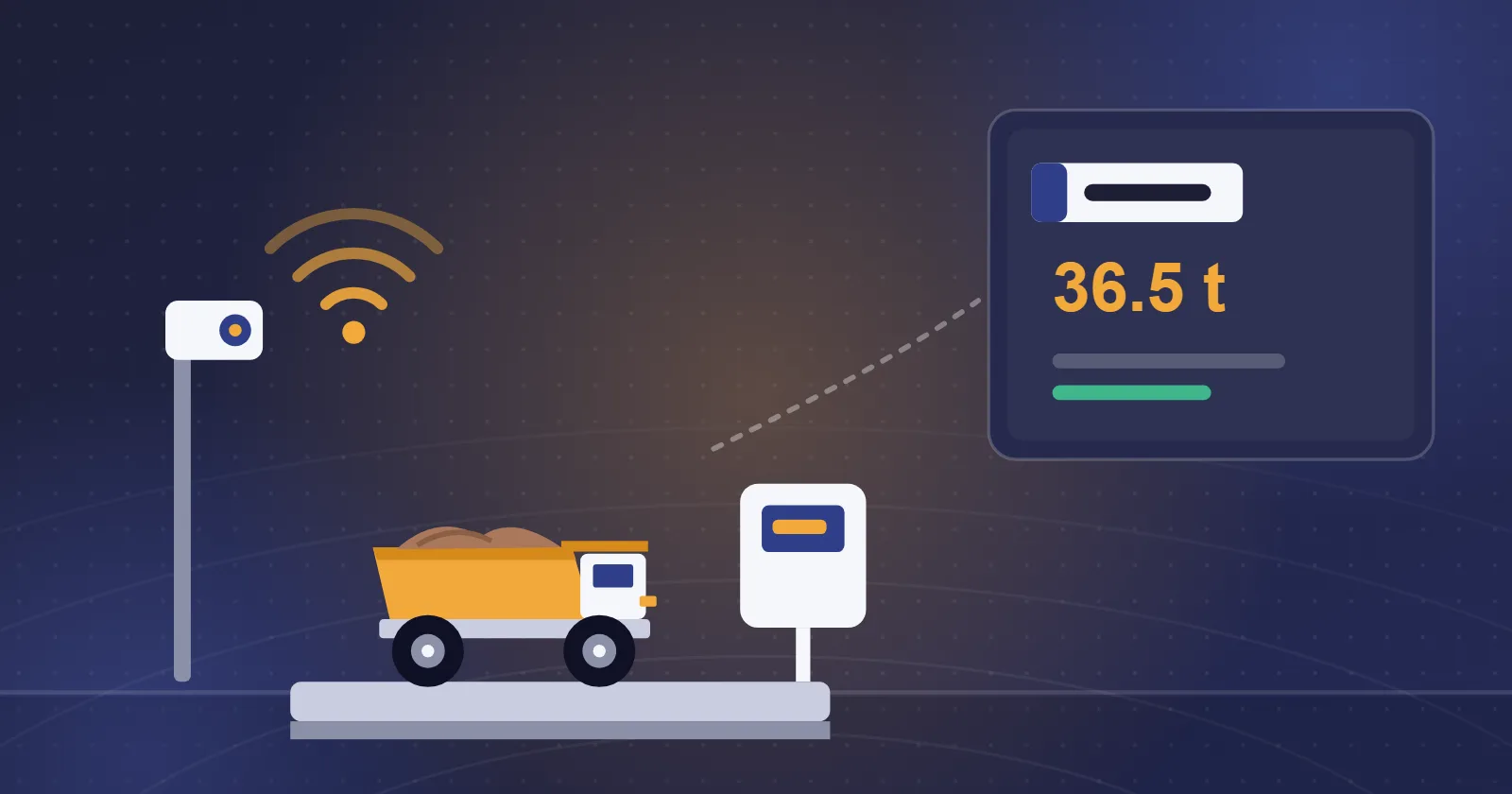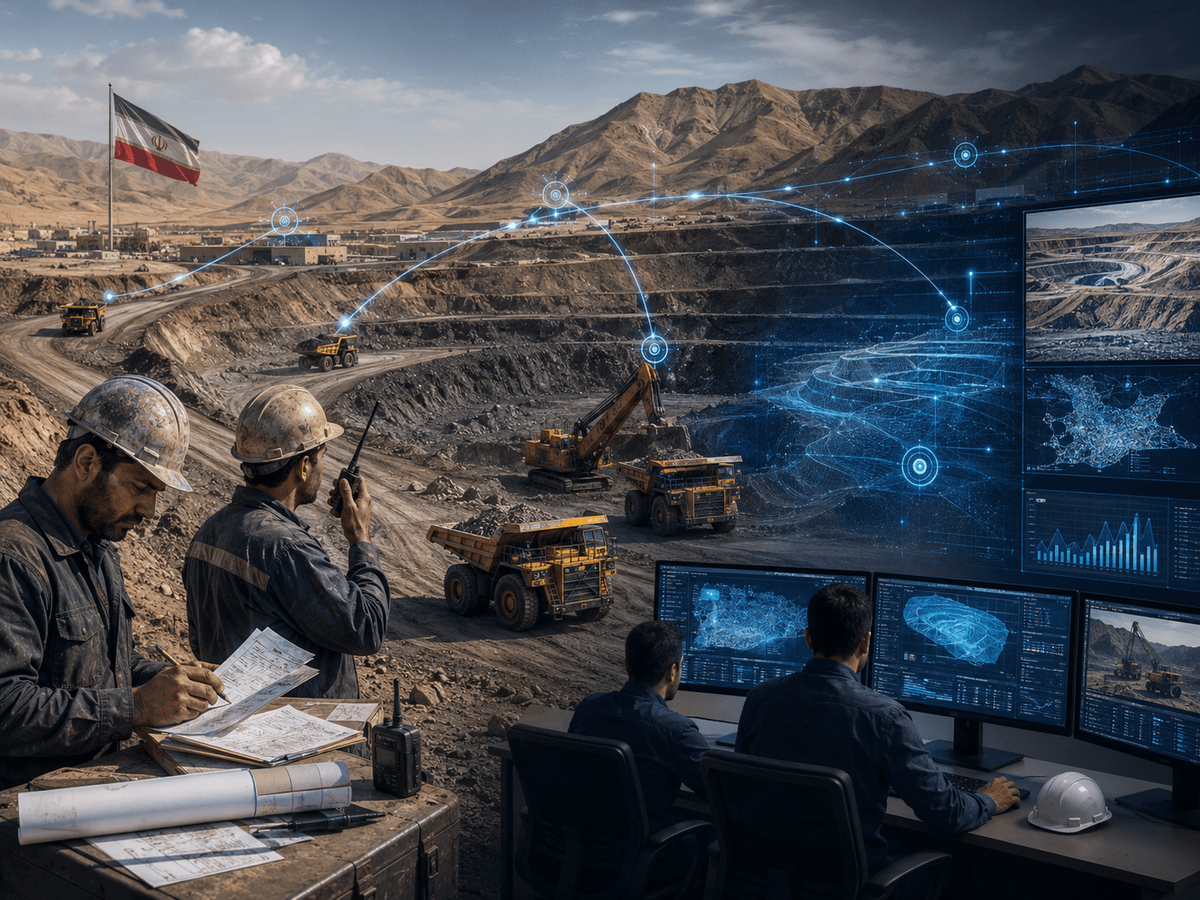
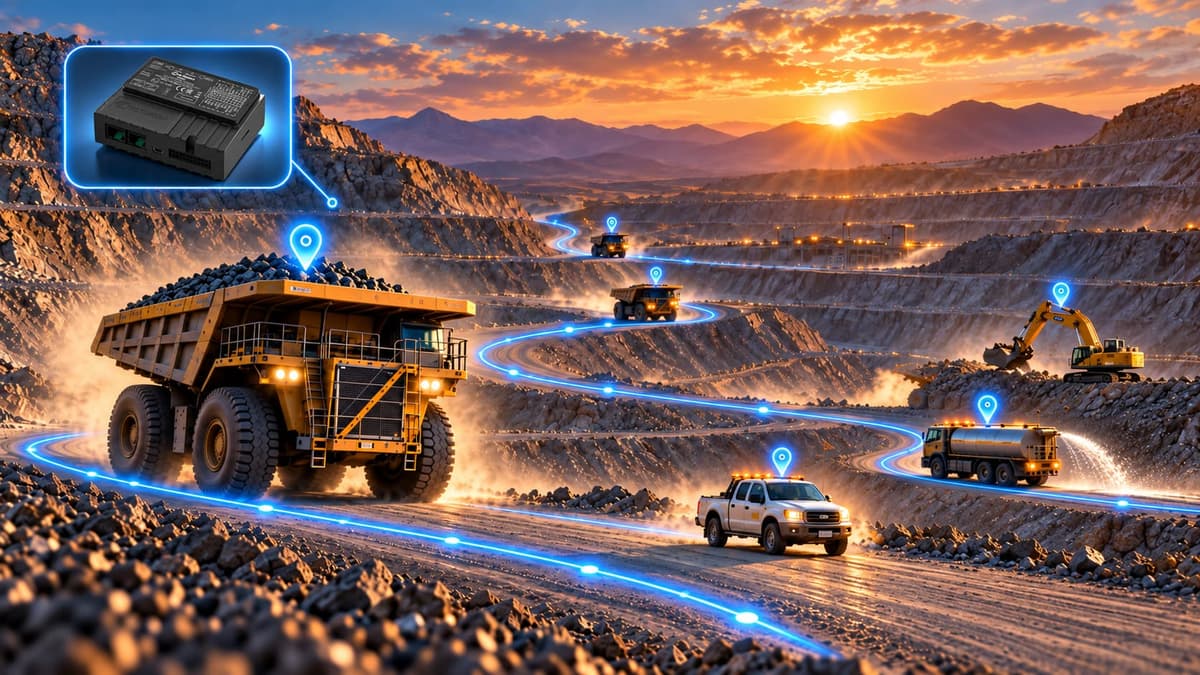
In open-pit mines, much of the operation depends on machinery such as haul trucks, shovels, loaders and support vehicles working properly. As the fleet grows, knowing each machine's position, route, stops and performance becomes increasingly important.
Teltonika trackers are one of the options used in tracking and fleet management projects. However, choosing the right tracker for a mine goes beyond seeing a GPS position — it should be based on the machine type, the data required and the system that will analyse it.
What is a Teltonika tracker?
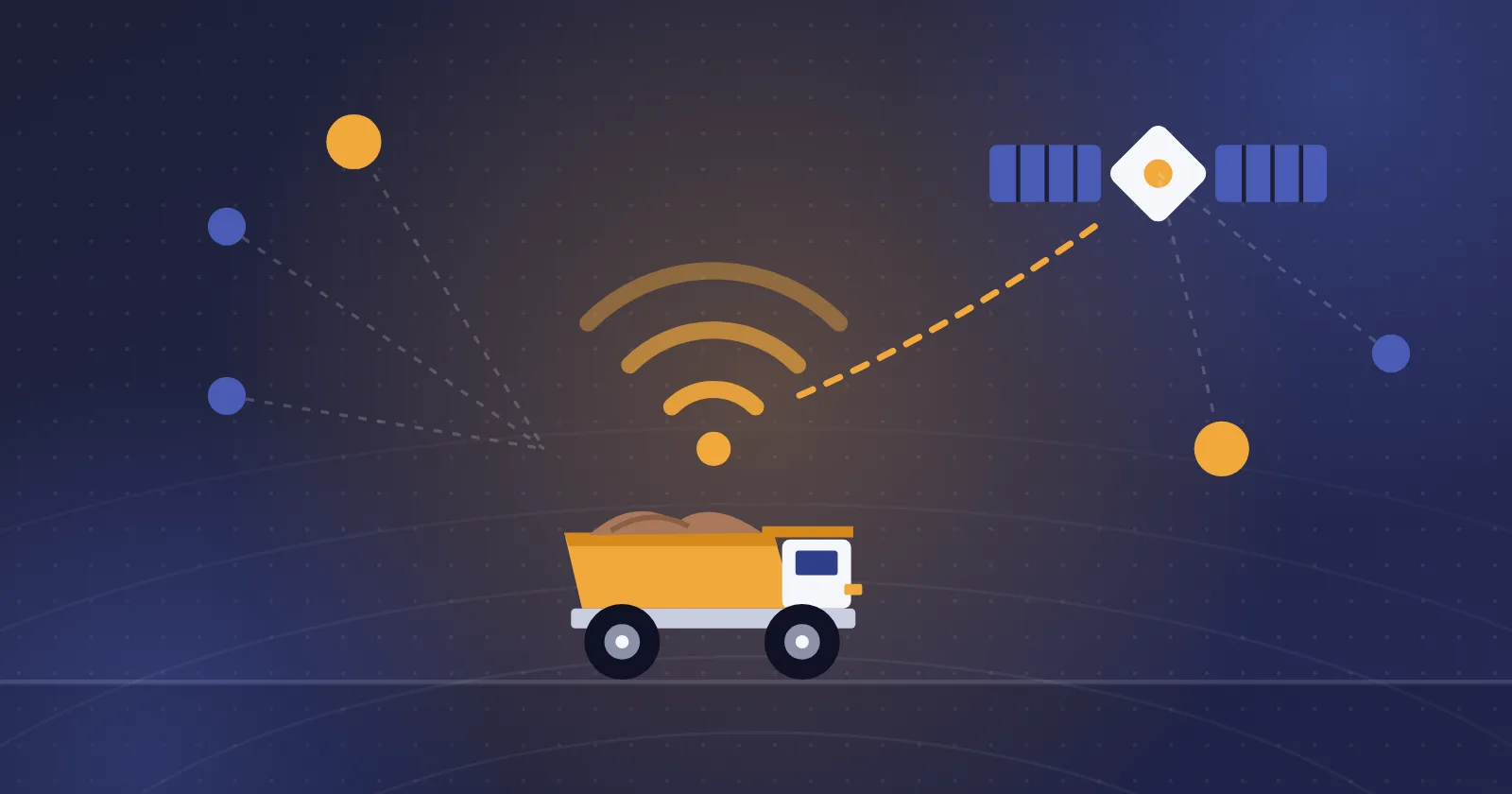
Teltonika trackers are telematics devices installed on vehicles or machinery to collect data such as position, movement and device status and send it to a fleet management system. Depending on the model and installation, more data can be read from the machine.
What information does a Teltonika tracker provide in a mine?
The data available depends on the device model and the machinery, but in a mining project the following usually matter most:
- Live machine position
- Route travelled
- Speed
- Stop duration and location
- Ignition on/off status
- Engine hours
- Some CAN data on compatible equipment
- Data needed to analyse fleet performance
This data becomes far more valuable when it feeds a fleet management system and is turned into reports, alerts and operational KPIs.
Which type of Teltonika tracker suits a mine?
Not every mining machine needs the same tracker. The device should be chosen according to the level of data required.
Basic trackers
Suited to projects where the main goal is seeing position, route and overall machine status. A good option for support vehicles or equipment that doesn't need complex data.
Advanced trackers
Where more inputs and outputs, sensor connections or additional data are needed, more advanced models usually make more sense. They allow more precise fleet monitoring scenarios.
CAN and Professional trackers
If the goal is more than position tracking and more machine data is needed, models with CAN connectivity or more professional equipment are considered. In these projects, data such as engine status, engine hours or some operating parameters may be made available to the system.
What should you consider when choosing a tracker for mining machinery?
Before choosing, it helps to answer a few questions:
- What kind of machinery will the tracker be installed on?
- Is position enough, or is operational data needed too?
- Does the machine support CAN?
- What are the environmental conditions at the installation point?
- Is the machine's voltage compatible with the device?
- Will other equipment or sensors connect to the tracker?
- Which system will display and analyse the data?
That's why choosing a tracker on price or model name alone is rarely the right approach for mining projects.
Is a tracker alone enough to manage a mine fleet?
No. A tracker collects and sends data. The real value comes when that data is processed in a fleet management system, where raw data can be turned into outputs such as:
- Route reports
- Stop analysis
- Machine status
- Operational alerts
- Performance history
- Fleet KPIs
So in a mining project, tracking hardware and fleet management software should be treated as one integrated solution.
Tracking mine fleets with BitaTracker
BitaTracker is Bistun's fleet tracking and monitoring solution, bringing machinery and equipment data together in one central view. Managers get a clearer picture of position, routes, stops and fleet status, and can use tracking data in operational decisions.