BiSmart | Purpose-built operations management for open-pit mines
Dispatching and smart management for mine fleets
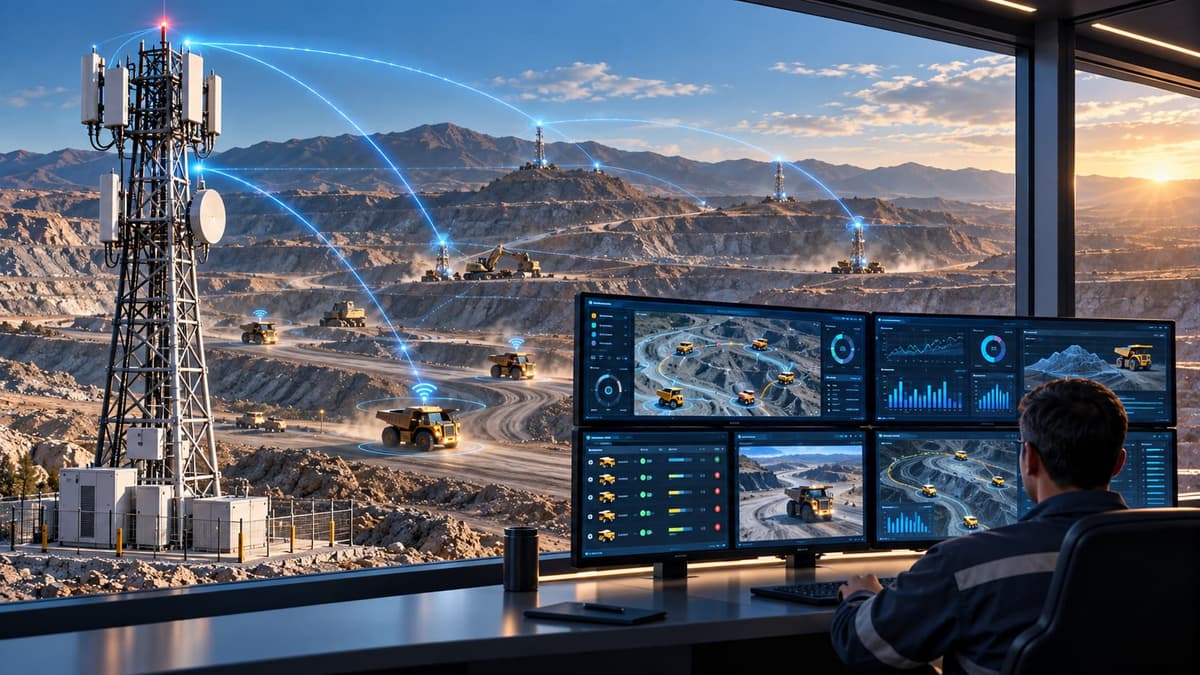
BiSmart connects shovels, haul trucks, haul roads, loading points and dump destinations on one operational platform — so you can see fleet status in real time, find bottlenecks in the haul cycle and manage equipment assignment with far greater precision.
When operations are invisible, bottlenecks get expensive
In loading and haulage, a few minutes of waiting or one poor assignment can add up across a shift to lost production and higher costs.
Truck queues
Machines bunching at the shovel and queue times growing.
Shovel waiting
A shovel ready to load with no suitable truck in sight.
Poor assignment
Trucks dispatched without regard to live conditions.
Long cycle times
Loading, hauling, dumping or return legs taking longer.
Non-productive stops
Idle time that only shows up late, in the end-of-shift report.
No live visibility
Decisions made without a full picture of the fleet and operations.
BiSmart turns this scattered data into one manageable operational picture.
How it works
How does the BiSmart dispatching system work?
1Step 1
Collect fleet data
Machine position, movement and operating status are captured.
2Step 2
Read the haul cycle
The system tracks the status of trucks, shovels, routes, loading points and dump points.
3Step 3
Spot bottlenecks
Queues, stops, delays and cycle disruptions become visible.
4Step 4
Manage fleet assignment
Truck missions and assignments are decided on real operating conditions.
5Step 5
Control from the dispatch center
The dispatch team gets one integrated view of the fleet and haul flow.
6Step 6
Analyse performance
Recorded data becomes KPIs and operational reports by machine, route and shift.
Capabilities
Core BiSmart capabilities
Smart truck-to-shovel assignment
Problem
Trucks bunching at one point while another is short of fleet.
BiSmart
It gives the dispatch center the status of machines, shovels, queues, routes and destinations for better allocation.
Result
Better fleet distribution and fewer operational bottlenecks.
Cycle time monitoring
Review the full haul cycle from loading to return.
Haul cycle
Load
Haul
Dump
Return
The time spent in each stage can be analyzed, so you can pinpoint exactly where in the cycle a delay occurs.
Queue & idle time control
Catch long queues and non-productive stops before they become a whole-shift problem.
Queue time
dump truck waiting time
Idle time
unproductive stop time
Shovel waiting time
time the shovel waits for haulage fleet
Live fleet monitoring
See machine positions and status as operations run, with one integrated picture of fleet movement across the mine. Depending on project configuration, operating states can include:
Loading
Hauling
Queued
Dumping
Idle
Production & haulage reports
Review performance by variables such as:
Machines
Shovel
Haul route
Shift
Destination
Trip count
Cycle time
Tonnage
Route & destination management
Control machine movement across haul routes and destinations, and spot deviations or disruptions faster.
Operational alerts
Key operational events can be logged and shown to the dispatch center so the team can react faster to abnormal conditions.
Key metrics
The metrics you need to see in real time
BiSmart turns operational data into metrics your mine team can actually use to make decisions.
01
Cycle time
Full haul cycle time
02
Queue time
Machine waiting time
03
Idle time
Non-productive stops
04
Shovel wait time
Shovel waiting for trucks
05
Trips per shift
Cycles completed per shift
06
Tonnes per hour
Hourly production rate
07
Utilisation
Operational use of the fleet
08
Availability
Equipment readiness
09
Plan vs. actual
Production plan compared with actual performance
The goal isn't just collecting data — it's knowing where operations need a decision.
What's the difference?
BiSmart is more than a GPS tracker
Tracking machines is only part of the information a mining operation needs.
Tracking
Answers questions such as:
Where is the machine?
Which route did it take?
How long was it stopped?
How fast was it going?
BiSmart dispatching
Answers operational questions such as:
Which truck should go to which shovel?
Where is the queue forming?
Why has cycle time gone up?
Which route or destination has become a bottleneck?
How is the shift performing against plan?
BiSmart turns fleet data into operational decisions.
Don't wait for the end-of-shift report
If a bottleneck only shows up in the end-of-shift report, the chance to fix that shift is already gone.
BiSmart helps the operations team see fleet and haul-cycle status while work is under way, and catch problems earlier.
Earlier decisionsFaster responseBetter operational control
BiSmart is designed for mines where loading, haulage and fleet management are a major part of daily operations.
Choosing the right deployment model means looking at fleet size, fleet type, haul routes, dispatch center setup and the mine's communications infrastructure.
The deployment model should match the mine's size, fleet, haulage structure and existing infrastructure — which is why we assess site conditions before implementation.
What equipment is installed on the machines?
It depends on the fleet type, the data required and the mine's current infrastructure, and is defined during the technical assessment.
Does BiSmart need a permanent internet connection?
Each project's communications architecture is designed for the site. Network and communications infrastructure are reviewed before deployment.
Can BiSmart integrate with our existing systems?
Integration depends on the existing system and how its data can be accessed, and is reviewed by our technical team.
How long does a BiSmart rollout take?
Deployment time depends on fleet size, infrastructure, required equipment and project scope, and is set after the initial assessment.
How is the cost of BiSmart calculated?
Project cost depends on fleet size, the modules in scope, required equipment and the mine's existing infrastructure.
Your mine could be BiSmart's next project
If truck queues, rising cycle times, non-productive stops or a lack of live haulage visibility are challenges at your mine, let's start by reviewing how your operation runs today.