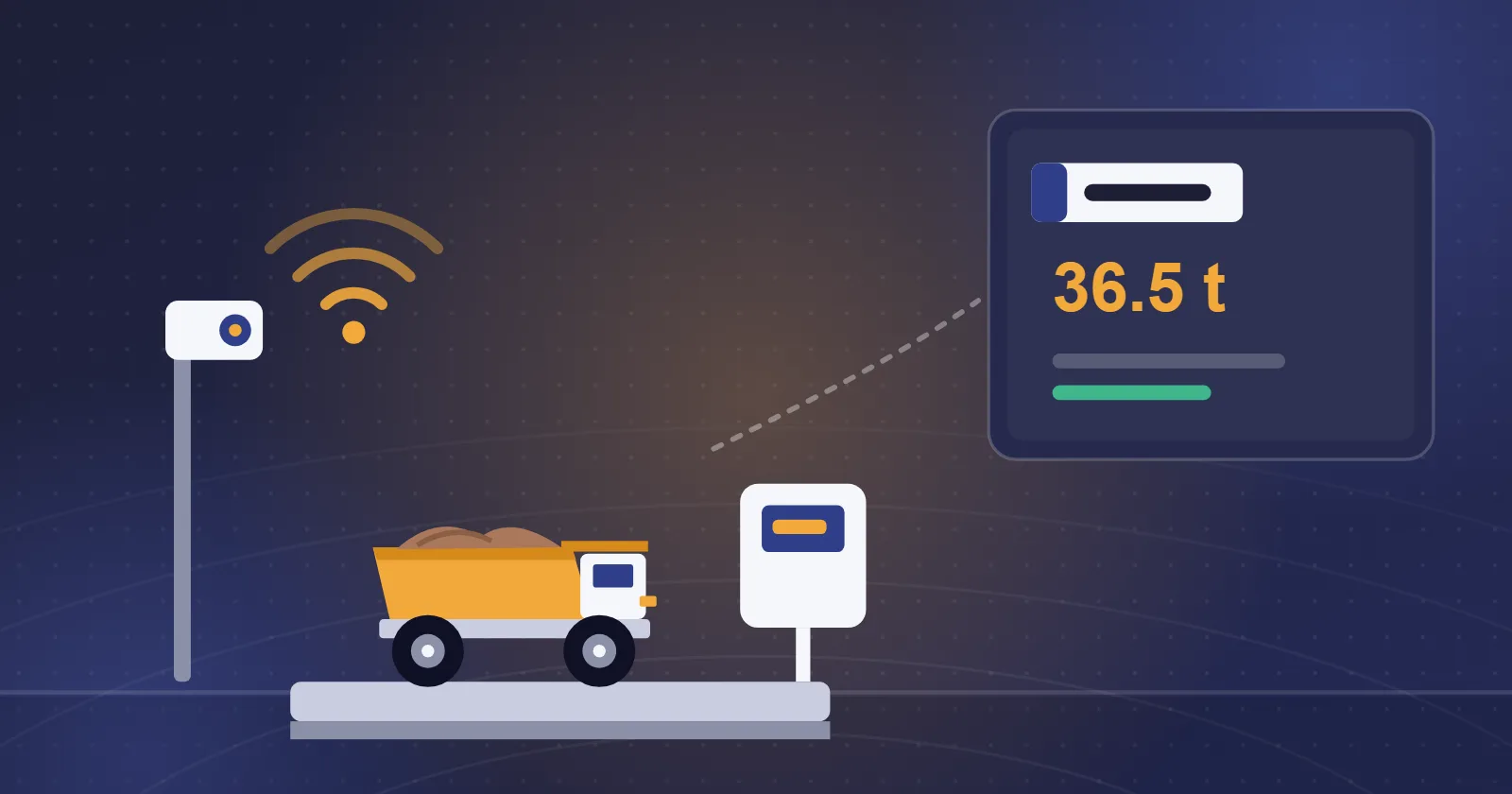
Weighing mined material is a key step in managing haulage and loading and in recording a mine's production. Every day, large numbers of trucks and haulage vehicles cross the weighbridge, and their weights feed production reports, stockpile inventories and contractor payments.
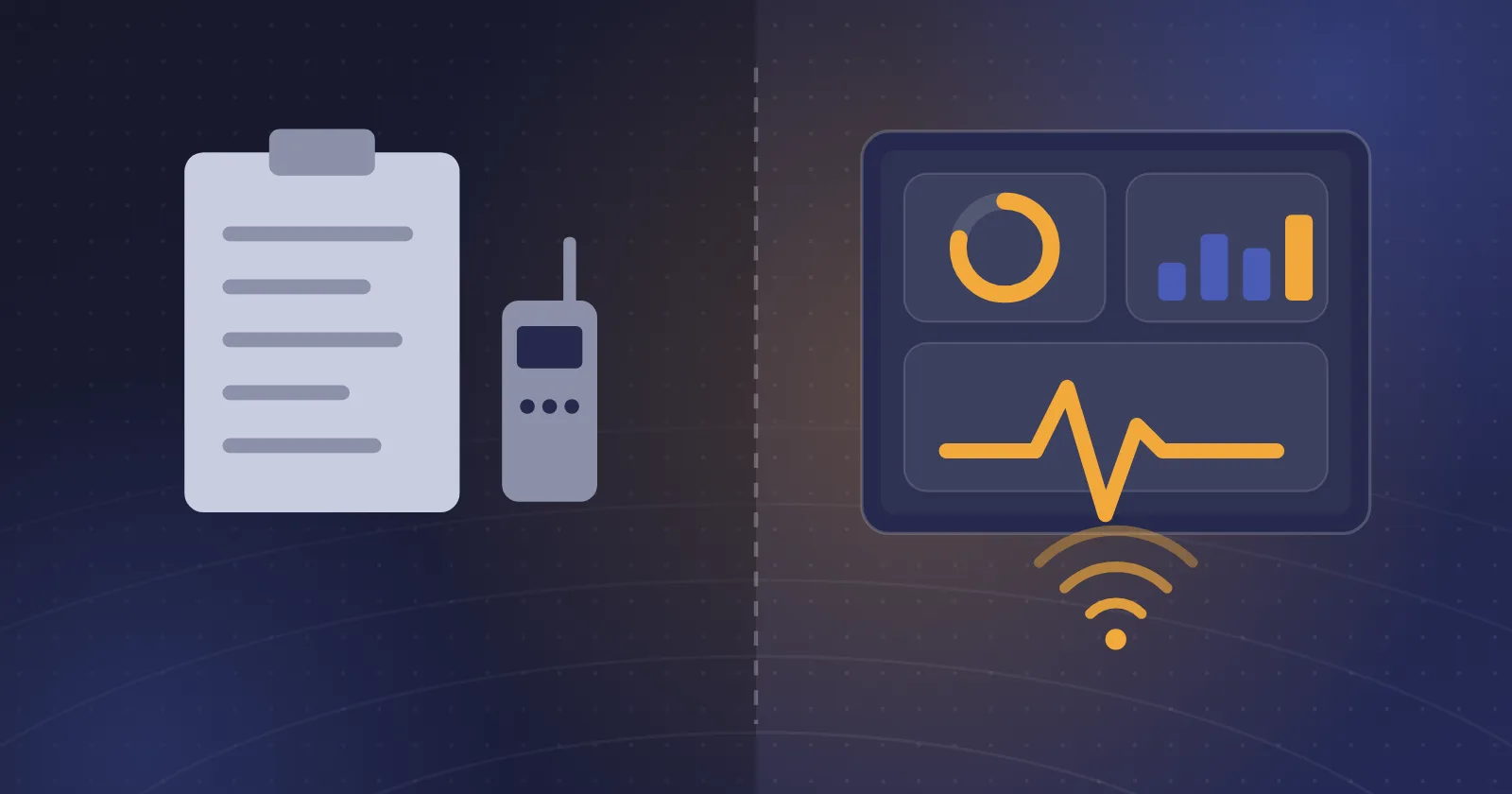
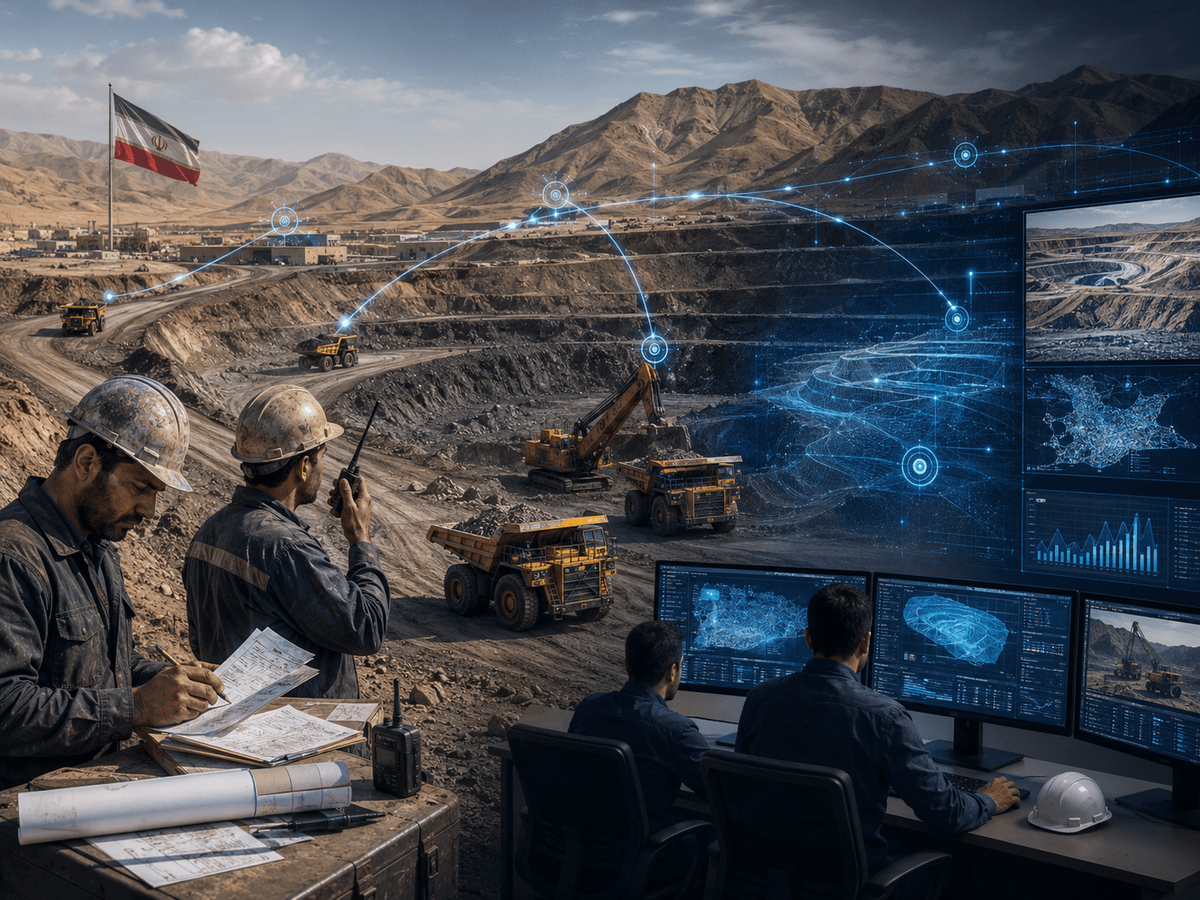
With traditional methods, much of the weighing information may be recorded by hand and then passed on to other departments. Besides requiring staff time, this increases the risk of reporting delays and data entry errors.
A smart mine weighbridge, by contrast, connects the weighing equipment to software for recording, control and reporting, making it possible to manage weighing data in a more integrated way.
But what exactly is the difference between a smart and a traditional weighbridge, and when does digitalising the weighing system create real operational value for a mine?
How does a traditional weighbridge work?
A traditional weighbridge does its core job by measuring the weight of a vehicle. The truck drives onto the weighing platform, the measuring equipment determines the weight and the operator records the result.
At some mines, details such as the vehicle number, driver name, material type, origin and destination are also entered by hand into a logbook or separate files.
This does not necessarily mean the measurement is inaccurate. A traditional weighbridge that is properly installed, calibrated and maintained can measure weight with the accuracy its specifications allow.
The main limitation appears when weight data stays separate from the mine's other operational data.
For example, the production department may receive tonnage figures from one report while the finance department sees the same data later in another file. Reconciling the two then takes time and manual checking.
What is a smart mine weighbridge?
A smart weighbridge combines weighing equipment with a data management software system that digitises—and, where the infrastructure allows, partly automates—the recording of weights and related haulage information.
In this setup, each recorded weight can be linked to the vehicle ID, weighing time, load type, origin, destination and haulage assignment.
Depending on the equipment and level of integration, the system may use features such as licence plate recognition, vehicle ID cards, RFID, image capture, entry and exit authorisation and data exchange with other mine systems.
The key difference is not just a digital weight display; it is turning every weighing into a record that can be traced and analysed.
Smart vs traditional weighbridges in mining: a comparison
| Criterion | Traditional weighbridge | Smart weighbridge |
|---|---|---|
| Weight measurement | Weighing equipment | Weighing equipment |
| Data recording | Manual or semi-automatic | Digital and can be automated |
| Vehicle identification | Usually by the operator | Can connect to plate recognition or RFID |
| Origin and destination | Entered by hand | Can be linked to the haulage assignment |
| Reporting | Separate files or reports | Integrated, filterable reports |
| Record tracing | Depends on how data is recorded | Search by ID and time |
| Discrepancy control | Manual checks | Alert rules can be defined |
| Connection to other systems | Limited or requires manual transfer | Possible via API or other methods |
This comparison is a general model; actual capabilities depend on the software, equipment, deployment and communications architecture at each mine.
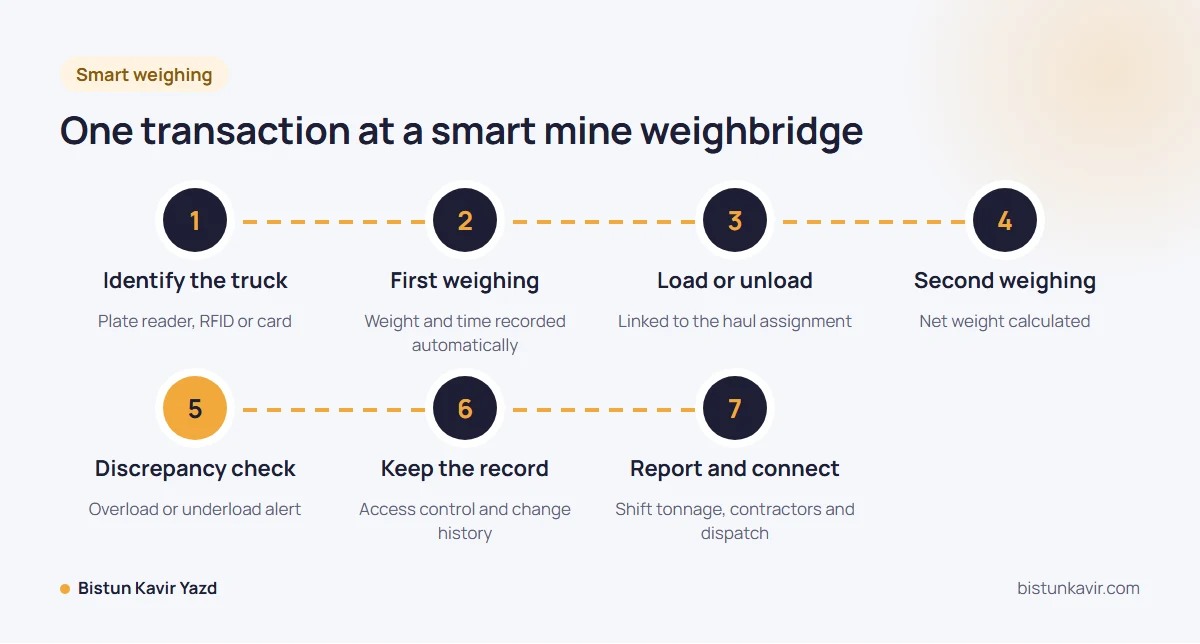
The biggest changes after digitalising a mine weighbridge
Automatic recording of weighing data
In traditional systems, manually entering vehicle numbers or load details can be a source of errors.
A smart weighbridge can automate part of this process by linking the vehicle ID to the weighing record.
For example, if a truck is registered in the system as an iron ore haul truck, its identification details are retrieved when it is weighed, so the operator does not have to re-enter every detail each time.
The accuracy of this process, of course, depends on the quality of the master data and the performance of the identification equipment.
Overload and underload control
In mining operations, controlling load weight is important for managing haulage capacity.
Loading below the planned capacity can increase the number of trips needed to move a given tonnage. Overloading, on the other hand, can conflict with the technical limits of the equipment, haulage gear and safety requirements.
Smart systems allow acceptable weight ranges to be defined for different vehicle groups and an alert to be raised when a discrepancy is detected.
For example, if a load's net weight falls outside the defined range, the system can flag the record for review.
Linking weighing data to the haulage process
In mine management, a load's weight becomes more valuable when it can be tied to the haulage operation.
Connecting weighbridge data to the fleet management system makes it possible to compare hauled tonnage with the number of trips, route, dump destination and shift performance.
For example, if the dispatch report shows a certain number of trips to the crusher, weighing data can be used to check the recorded load weights for the same period.
This reconciliation helps identify data discrepancies and improves the quality of production reports.
Less reliance on manual reporting
With the traditional approach, the daily tonnage report may only be prepared after the end of the shift by combining several files.
In an integrated system, a manager can pull reports on hauled tonnage by shift, vehicle, contractor, material or destination based on the recorded data.
As a result, operational performance can be reviewed faster, and decisions no longer depend only on end-of-day reports.
How a smart weighbridge improves transparency in mining operations
One important benefit of digital weighing is that every transaction has a clear history.
When the weight, time of recording, vehicle ID and load details are kept in a single record, discrepancies are easier to investigate.
For example, several unusual weighings for one vehicle, unexpected differences between recorded weights or incomplete transactions can be flagged for further review.
This helps detect errors and control the process, but it should not be taken to mean that fraud or human error is eliminated entirely.
To make the data more reliable, user access control, change history logging, backups and regular calibration of the equipment are also essential.
How does a smart weighbridge affect mine production management?
Tonnage is one of the basic data points in mine planning and performance evaluation.
When weighing data is recorded with good quality, it can be used to calculate production by shift, review haulage contractor performance, compare actual production with the plan and analyse the volume of material moved.
Linking weight data with fuel and equipment data also makes it possible to calculate indicators such as fuel consumption per tonne hauled.
At that point, weighbridge data stops being just a recorded number and becomes part of the mine's data-driven management infrastructure.
Does the whole weighbridge have to be replaced to make it smart?
No—not necessarily.
In some projects, existing weighing equipment can be connected to the software system if it is technically compatible, in good working order and has suitable communication interfaces.
Before deciding, the condition of the load cells, the weight indicator, the communication protocol, network infrastructure, calibration and software requirements should be reviewed.
Sometimes upgrading the communication equipment and software is enough; in other cases, part of the hardware needs to be replaced.
The cost of digitalising a weighbridge should therefore be estimated after the actual site conditions have been assessed.
What should you look for when choosing a smart weighbridge system?
The right system should be chosen based on the volume of operations and the mine's needs.
For a mine with several weighbridges and multiple haulage contractors, integration and the ability to break down reports matter a great deal. At another mine, load control, vehicle identification or managing weighing records may be the top priority.
A technical evaluation should cover how the system behaves during network outages, data recording and recovery, information security, equipment compatibility and room for future expansion.
The software should also be able to produce reports that the operations, finance and planning teams actually use in their decisions.
The Bistun Kavir Yazd weighing system
One of Bistun Kavir Yazd's products is the smart mine weighing and weighbridge system, which focuses on recording and managing weight data and connecting weighing data to operational processes.
The aim of such a system is to provide more organised access to weighing data and to support the management of loading and haulage of mined material.
The level of automation, connection to peripheral equipment and the types of reports available should be defined according to each mine's needs and the technical specifications of the deployment.
Conclusion
The difference between a smart and a traditional weighbridge should not be sought only in how the weight is displayed.
A traditional weighbridge measures weight, while a smart weighbridge system can make weighing data part of the mine's digital operations management process.
Structured data recording, faster reporting, discrepancy control and the ability to connect with other systems are the most important benefits of this approach.
For mines looking to improve the transparency of haulage and loading data, reviewing the existing infrastructure and the feasibility of a smart weighing system can be a good starting point.
To explore digitalising your existing weighbridges or deploying a mine weighing system, contact Bistun Kavir Yazd.