There is no single, fixed figure for the cost of a smart mine. What a project costs depends on the number of machines, the size of the mine, the operational problems to be solved, the equipment required, the communication infrastructure, the level of reporting and how far the system needs to connect to other parts of the business.
For example, fitting a tracking system to a handful of machines cannot be compared with a full rollout of dispatching, fuel control, haul-cycle recording and weighbridge integration.
To estimate a budget, the mine's problem and the project scope have to be defined first. This article looks at the main cost components, the factors that drive price, the difference between a pilot and a full rollout, how to build a budget and the indicators used to judge return on investment.
What does the cost of a smart mine include?
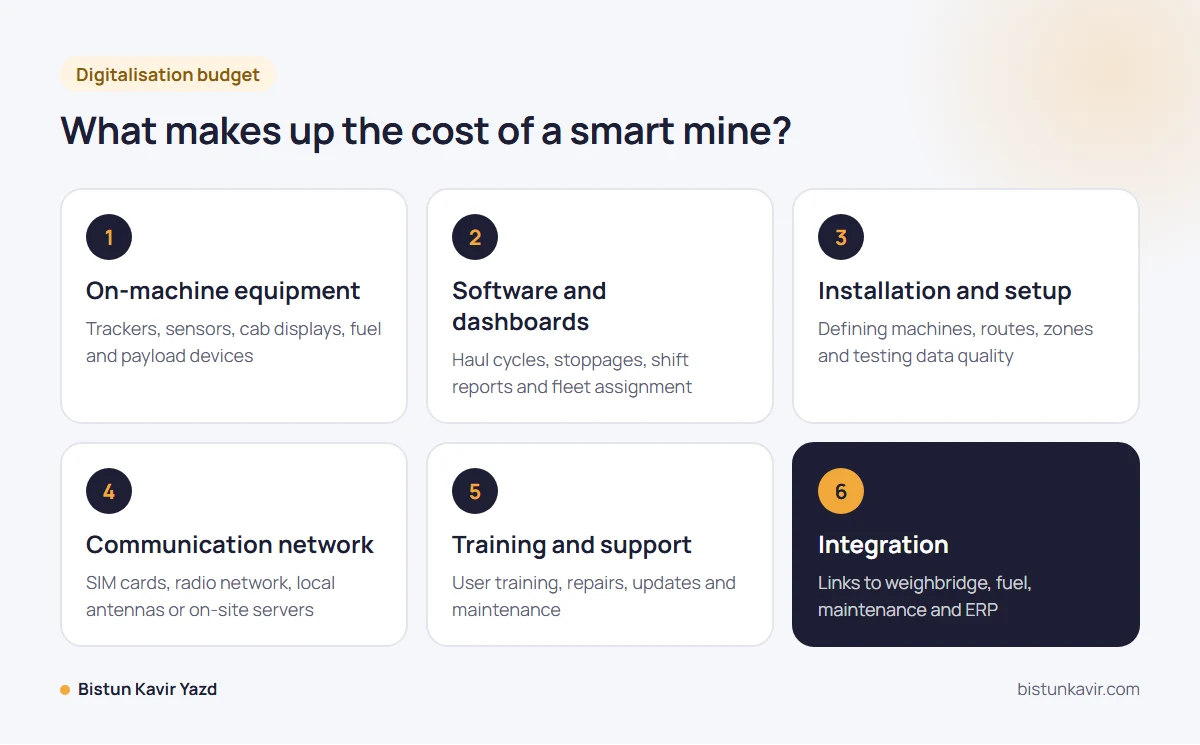
The real cost of mine digitalisation is not just the price of a few devices or a software licence. A complete project can include equipment, software, installation, communications, training, support and integration at the same time.
Equipment fitted to the machines
Part of the budget goes to devices installed on haul trucks, shovels, loaders and support vehicles. Which devices are needed depends on the data the mine actually needs.
This equipment can include:
- Machine position trackers
- Status and performance sensors
- In-cab displays or panels
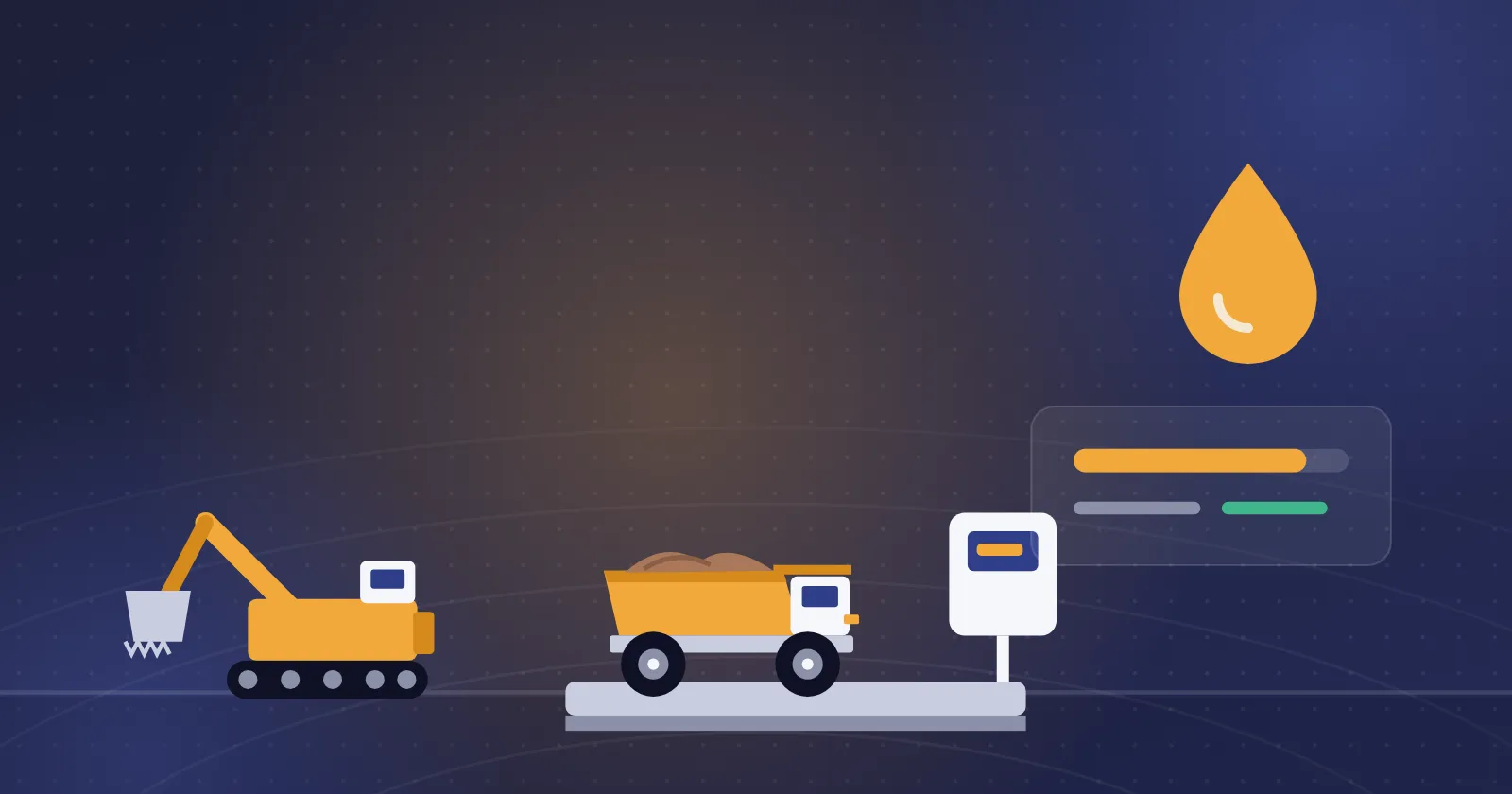
- Fuel level and consumption measurement devices
- Tools for recording loading and dumping
- Data collection and transmission hardware
If the goal is simply to see where machines are, much less equipment is required. If the mine wants to record loading, stoppage, waiting, dumping and fuel use, more equipment has to be fitted across the fleet.
Where the focus is mainly on fleet position, a mining equipment tracking system can be a good starting point.
Software and management platform
Software turns raw data into usable information. The price of mine management software varies with its features, the number of users, the number of machines and the depth of reporting.
The platform may offer:
- Live fleet status
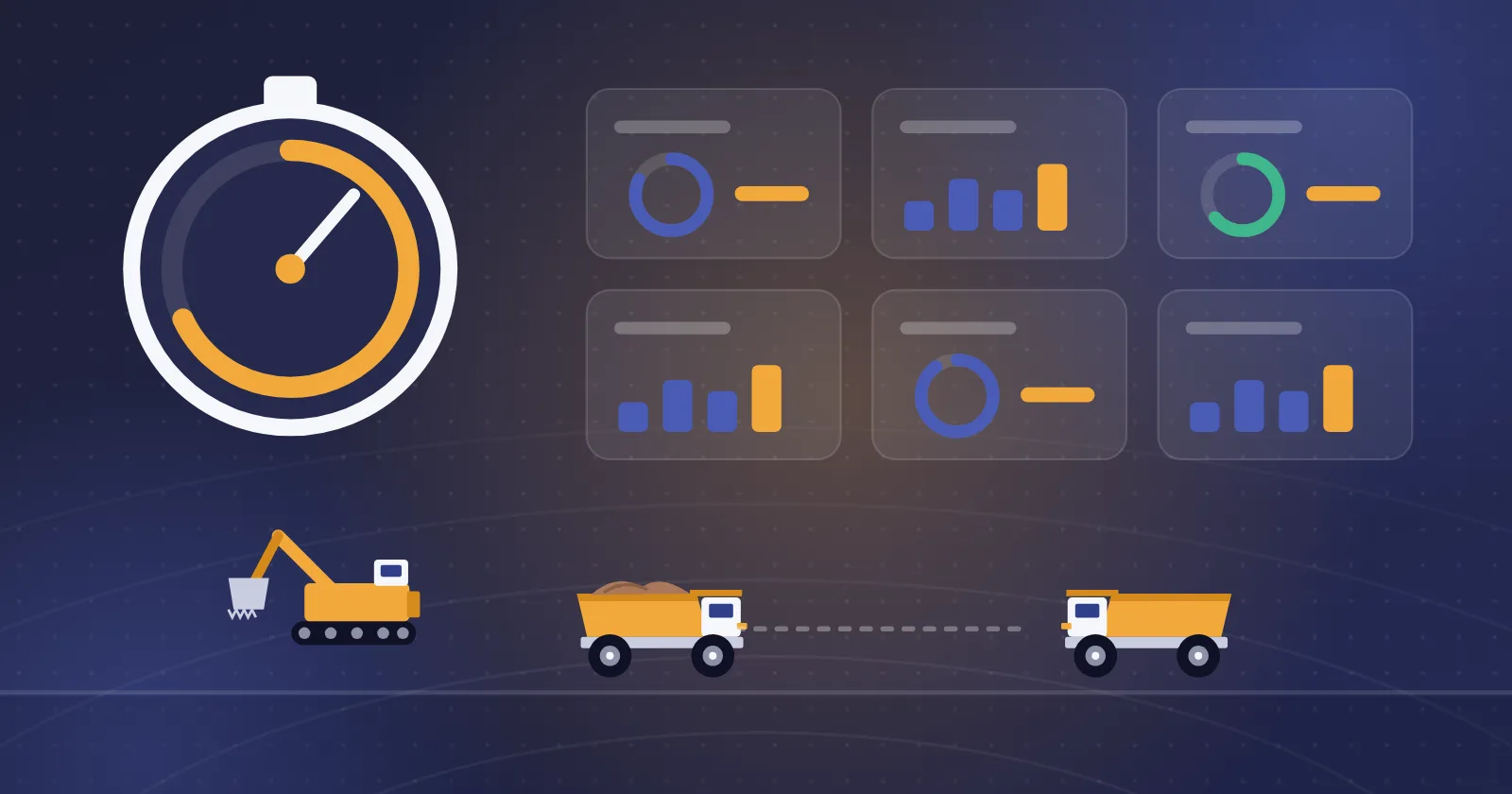
- Loading and haul cycle recording
- Stoppage and waiting time calculation
- Shift performance reports
- Equipment performance analysis
- Operational alarms
- Management dashboards
- Assignment of machines to routes and working faces
The broader the analytics, reports and features, the higher the cost of implementation and support.
Installation, commissioning and configuration
Once purchased, the equipment must be installed and tested on each machine. Beyond the physical installation, the mine's operational data also has to be defined in the system.
This stage can include:
- Defining machines and their specifications
- Registering drivers and users
- Defining pits and working faces
- Setting loading and dumping routes
- Defining geofences
- Configuring alarms
- Testing the link between devices and software
- Checking data quality and accuracy
A mine with many routes, several working faces or a mixed fleet of models will need more time and configuration to commission.
Mine communication infrastructure
A smart system needs a communication network to move data. Network coverage is one of the most important factors in estimating the cost of mine digitalisation.
Depending on the site, SIM cards, wireless internet, a radio network, local antennas or a combination may be used. Some mines also need an on-site server or data storage equipment.
If every route in the mine already has good coverage, this part of the budget will be small. In large mines or areas with weak coverage, building the data network can take a significant share of the budget.
Training, support and maintenance
Even the most accurate system produces little value if the operations team does not use it properly. Training therefore has to be in the budget from day one.
Several groups may need training:
- Drivers and operators
- Shift supervisors
- Dispatchers
- Fleet managers
- IT staff
- Operations and planning managers
The cost of technical support, equipment repairs, software updates and system maintenance should also be defined. A low upfront price without proper support can later lead to system downtime and hidden costs.
What determines the price of mine digitalisation?
A digitalisation budget should be calculated from the real conditions of the operation. The main price drivers are:
Number and type of machines
The more haul trucks, shovels, loaders and support machines there are, the more devices, installations and connections are needed.
Machine type matters too. Equipment suited to a heavy haul truck may differ from what a light support vehicle needs.
Geographic size of the mine
In a small mine with one haul road, moving data is simple. A large mine with several pits, working faces and dump routes may need more antennas, relay points or equipment.
Number of routes and working faces
The more complex the operation, the more complex the haulage scenarios, machine assignment and reporting become. This affects design and commissioning time.
Network coverage quality
If internet or radio coverage is not available on every route, a separate budget is needed to build or strengthen the communication infrastructure.
Type of data required
Recording position alone costs differently from recording position, haul cycle, stoppage time, fuel use, payload and driver status together.
Before choosing equipment, decide which data will actually be used in the mine's decisions.
Equipment accuracy
Some operations only need an approximate machine position. Others need higher accuracy to detect loading and dumping points or entry into a defined zone. More accurate equipment usually costs more.
Real-time reporting
If managers only need end-of-shift reports, the project is simpler. Real-time alarms, stoppages and fleet assignment require more communication and processing capacity.
Number of system users
The number of managers, operators, specialists and dashboard users can affect the licence type, access levels and training cost.
Integration with other systems
Connecting fleet management to the weighbridge, fuel, maintenance, production planning, ERP or finance software requires design and integration work.
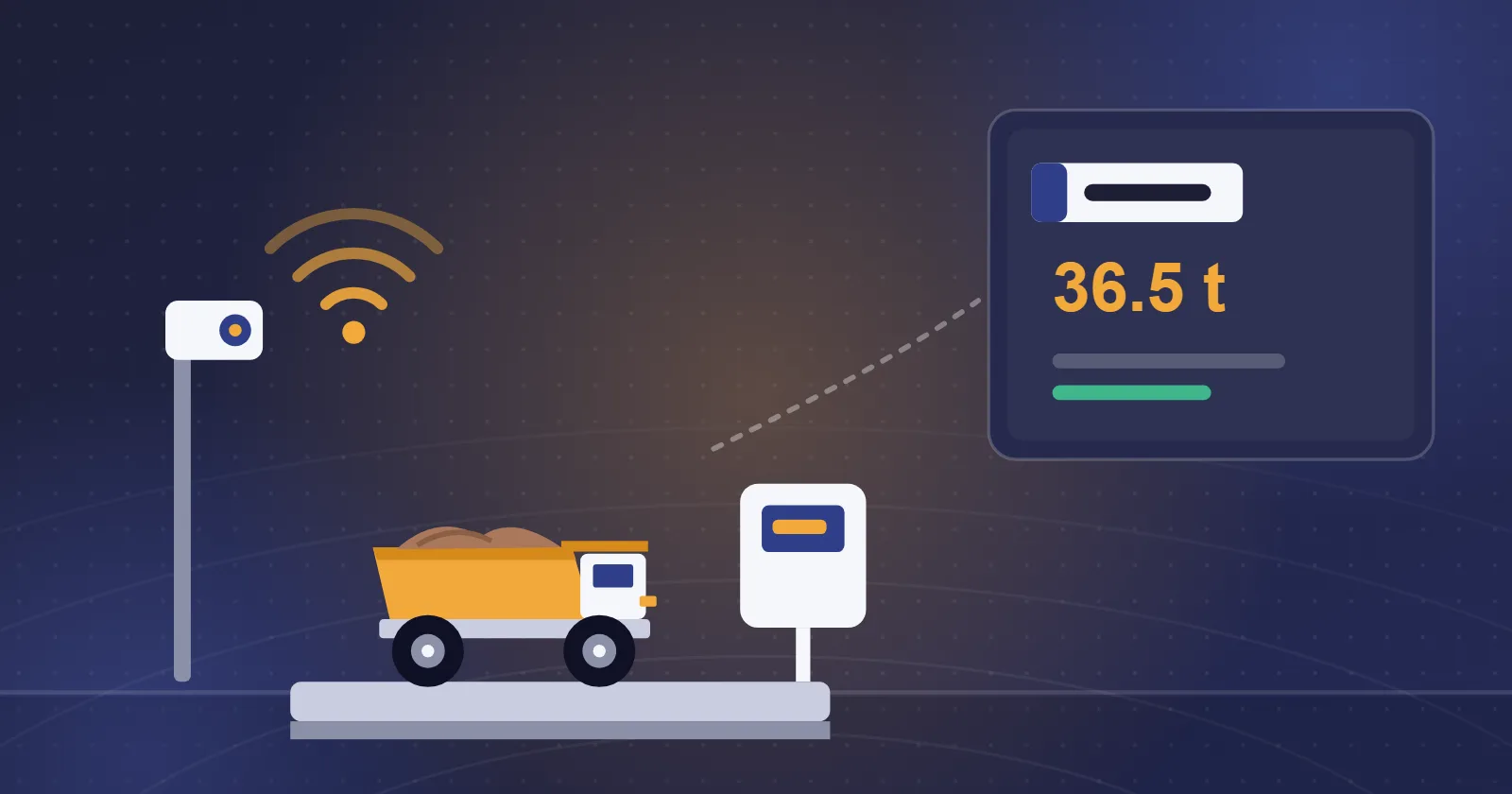
For example, linking fleet data to a weighing and loading control system makes it possible to compare cycle counts, hauled tonnage and machine performance.
Software customisation
Standard reports may be enough for one mine, while another needs dedicated dashboards, indicators or workflows. Custom development affects both cost and timeline.
Level of support
Remote support, on-site engineers, spare equipment and response times are different service levels that should be specified in the technical and commercial proposal.
Pilot or full rollout
Starting with a limited number of machines lowers the initial cost. A full rollout from the outset needs more equipment, training and coordination.
How is the price of a mine dispatching system calculated?
The price of a dispatching system is not just the cost of buying software. The system has to receive fleet data, detect haul cycles, analyse the operational situation and give managers usable information.
The following factors affect its price:
- Number of connected machines
- Type of loading and haulage operation
- Number of routes and dump points
- Need for smart fleet assignment
- Recording of loading, haul and dump times
- Measurement of stoppage and waiting time
- Per-shift performance reports
- In-cab equipment
- Management dashboards
- Integration with other systems
- Installation, training and support
A simple tracking system usually shows a machine's position, route and stops. A mine dispatching system, however, has to help the operations manager understand which stage of the cycle each machine is in, where queues are forming and how the fleet should be assigned.
A few dots on a map is therefore not smart dispatching on its own. The real difference lies in the depth of data analysis and support for operational decisions.
How does a pilot differ in cost from a full rollout?
In a pilot, the system is first deployed on a limited part of the operation. A project could start, for example, with a few haul trucks, one shovel, one haul road or one shift.
The goal of this stage is to check:
- Quality of the recorded data
- Stability of communications
- Compatibility of the equipment with the machines
- How much users actually use the system
- Usefulness of the reports for decision-making
- Possible installation and operating issues
A pilot reduces decision risk and lets the mine find problems before scaling up.
That said, the results of a limited rollout cannot always be generalised to the whole mine. A full rollout may bring more routes, users and data. The pilot should therefore be designed to cover a meaningful part of real operating conditions.
How do you estimate a mine digitalisation budget?
To estimate the cost of a smart mine, it is best to follow these steps:
1. Define the mine's main problem
"We want to make the mine smart" is not enough to build a budget. First decide which problem the project is meant to solve.
For example:
- Reducing haul truck waiting time
- Controlling abnormal fuel consumption
- Increasing the number of haul cycles
- Reducing machine downtime
- Improving fleet assignment
- Eliminating manual reports
2. Define the machine scope
Specify which haul trucks, shovels, loaders or support machines are included in the project.
3. Assess the communication infrastructure
Network coverage in the pits, haul roads, loading areas and dump points should be assessed.
4. Define the data and reports you need
Choose reports that managers will actually use. Collecting data without a clear use only adds to the cost.
5. Specify the equipment required
The type of tracker, sensor, display, fuel equipment or payload recording tool follows from the data required.
6. Review integration needs
Decide whether the system must connect to the weighbridge, maintenance, planning, stores or a mine fuel control system.
7. Calculate training and support costs
The number of users, the level of training and the support model should be defined from the start.
8. Design the pilot
Choose a suitable part of the operation to evaluate the equipment, data and user adoption.
9. Evaluate the results and scale up
Once the results are reviewed, the project can be extended to more machines, routes and shifts.
Is mine digitalisation economically justified?
A project's economic case should be judged on measurable indicators, not general promises.
Key indicators include:
- Less downtime
- Less waiting at loading points
- More haul cycles
- Less abnormal fuel consumption
- Better use of machines
- Fewer reporting errors
- Faster decision-making
- Fewer poor fleet assignments
If the system only collects data and the shift supervisor does not use it to correct fleet assignment, the return on investment will be limited.
The economic result depends on implementation quality, data accuracy, cooperation from drivers and operators, user training and managers' ongoing use of the reports. That is why no fixed payback period or percentage can be promised for every mine.
Is the lowest price always the better choice?
The cheapest proposal is not necessarily the lowest-cost solution in the long run. A system that records inaccurate data, does not fit the machines or lacks proper support can create hidden costs.
When comparing proposals, check:
- The exact scope of services
- Type and quantity of equipment
- Installation and commissioning cost
- Support and maintenance cost
- Room for expanding the project
- Ability to integrate with other systems
- Data ownership and access
- Quality of user training
- Track record in mining environments
Proposals are best compared on the total cost of implementation and operation, not just the upfront equipment price.
What information should you prepare before requesting a quote?
For a more accurate estimate, prepare the following:
- Number and type of machines
- Machine models and years of manufacture
- Number of shifts
- Main haul routes
- Number of pits and working faces
- Internet and communication status
- Main operational problems
- Reports you need
- Systems already in use at the mine
- Number of users
- Mine development plans
The more precise this information, the clearer the project scope and budget will be.
Summary: how much budget does mine digitalisation need?
No accurate figure can be given for the cost of a smart mine without reviewing the mine's conditions. The number of machines, the scale of operations, communication quality, required equipment, type of software, depth of reporting and integration needs all directly affect the budget.
Instead of asking for a single overall price, first define the operational problem. A project designed for fuel control has a different cost and structure from full dispatching, payload weighing or monitoring of the whole fleet.
For an accurate estimate, the number of machines, communication infrastructure, operational problems and reporting needs must be reviewed first. The specialists behind Bistun Kavir's mine digitalisation solutions can define the right project scope and cost components once this information has been reviewed.
Frequently asked questions
How is the cost of digitalising a mine calculated?
Cost is calculated from the number of machines, type of equipment, software features, communication infrastructure, installation, training, support and integration with other systems.
What does the price of a mine dispatching system depend on?
The number of machines, the complexity of haulage, cycle recording, in-cab equipment, dashboards, fleet assignment and the level of integration are the main price drivers.
Can mine digitalisation start with a small number of machines?
Yes. A pilot on a limited number of machines or one haul road can reduce project risk. The pilot scope should, however, represent real operating conditions.
How does the cost of machine GPS differ from mine dispatching?
GPS usually records a machine's position and route. Dispatching also analyses haul cycles, stoppages, waiting, shift performance and fleet assignment, so it needs broader equipment and software.
How long does it take to see the economic result of digitalisation?
It depends on the problem, the project scope, data quality and how much the operations team uses the system. A baseline must be recorded first, then changes in the indicators compared over several operating periods.